Suspended Well Programs & Lifecycle Management Services
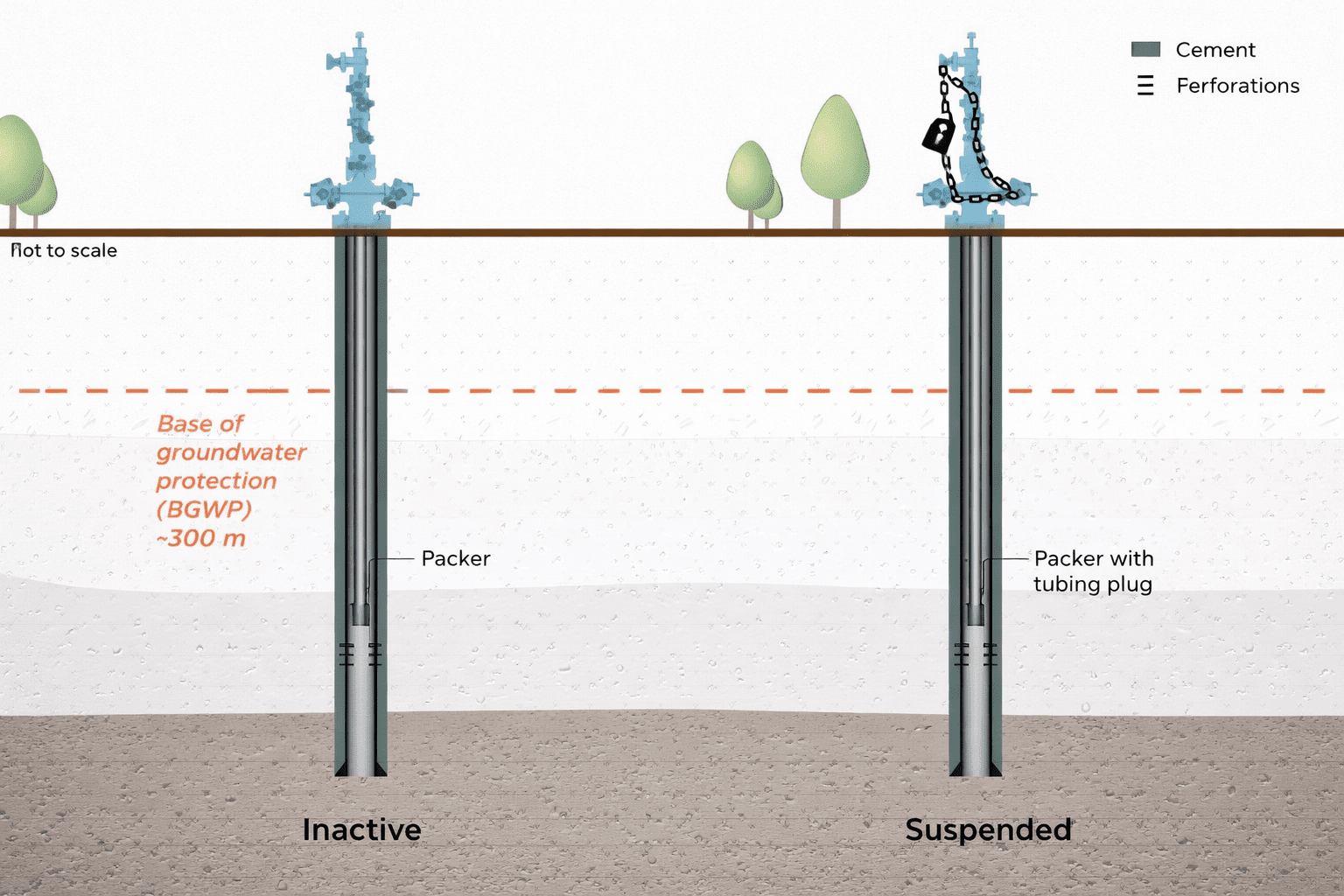
Tundra Engineering provides structured Suspended Well Program services that support oil and gas operators in managing inactive and temporarily suspended wells across North America. Our approach integrates regulatory compliance, environmental site assessment oversight, well integrity monitoring, and lifecycle asset planning to reduce environmental risk and maintain long-term operational accountability.
Suspended wells represent both operational and regulatory exposure if not managed through a disciplined governance framework. Tundra Engineering helps operators develop risk-based monitoring strategies, inspection protocols, environmental compliance consulting coordination, and reporting systems that ensure suspended assets remain secure, documented, and aligned with evolving compliance expectations.
Through Tundra Engineering’s EPCM framework, suspended well management is coordinated with engineering oversight, documentation control, and structured asset lifecycle planning to ensure consistency from active production through final abandonment, site remediation, or land reclamation.
Well Integrity Monitoring & Risk Mitigation
Effective suspended well programs require ongoing mechanical integrity evaluation and environmental risk assessment. Our team supports operators with structured monitoring protocols that address:
PLC programming and industrial automation for oil & gas and industrial facilities across North America, including control systems and SCADA integration.
- Surface casing vent flow monitoring
- Pressure verification and barrier confirmation
- Site inspection scheduling and documentation
- Risk-based well status evaluation
- Environmental exposure assessment
Where applicable, preliminary environmental site assessments may be conducted to identify potential contamination risks before wells transition toward abandonment or environmental site remediation phases.
By implementing proactive integrity checks and structured reporting practices, operators reduce long-term liability while preserving flexibility for future reactivation, site assessment and remediation planning, or abandonment decisions.
Regulatory Reporting & Compliance Alignment
Suspended wells are subject to ongoing regulatory oversight and periodic reporting requirements. Tundra Engineering assists clients with compliance documentation, submission preparation, and audit readiness to ensure suspended assets remain defensible under review.
Where reporting coordination is required, suspended well programs are frequently aligned with Regulatory Submissions processes to maintain consistency across production reporting, well status documentation, environmental due diligence considerations, and asset governance records.
This integration ensures that monitoring data, engineering assessments, and regulatory filings remain aligned throughout the suspension period.
Lifecycle Transition Planning
Suspension is rarely a permanent condition. Wells may be reactivated, recompleted, or transitioned toward abandonment, environmental site remediation, and reclamation depending on production strategy and economic conditions.
Tundra Engineering supports structured transition planning that evaluates technical feasibility, integrity status, environmental risk exposure, and compliance readiness before operational changes occur. Early coordination of reclamation planning and environmental consulting services reduces long-term liability and improves regulatory certainty.
By embedding suspended well oversight within a lifecycle-focused asset management framework, operators improve documentation traceability, reduce risk exposure, and maintain flexibility across evolving field development strategies.
From temporary suspension programs to long-term inactive well management, Tundra Engineering delivers disciplined suspended well services that strengthen compliance, protect environmental performance, and support responsible asset stewardship.
What is a suspended well program?
A suspended well program manages inactive wells through monitoring, documentation, integrity verification, and environmental site assessment oversight to maintain regulatory compliance and reduce environmental risk.
Why is ongoing monitoring required for suspended wells?
Monitoring ensures mechanical barriers remain intact, pressure conditions are stable, and environmental exposure risks are minimized during suspension. Early identification of potential contamination supports efficient future site remediation if required.
How do suspended well programs connect to regulatory compliance?
Suspended wells often require periodic reporting and documentation updates to demonstrate compliance with operational and environmental regulations. Structured environmental compliance consulting support strengthens defensibility and regulatory alignment.